
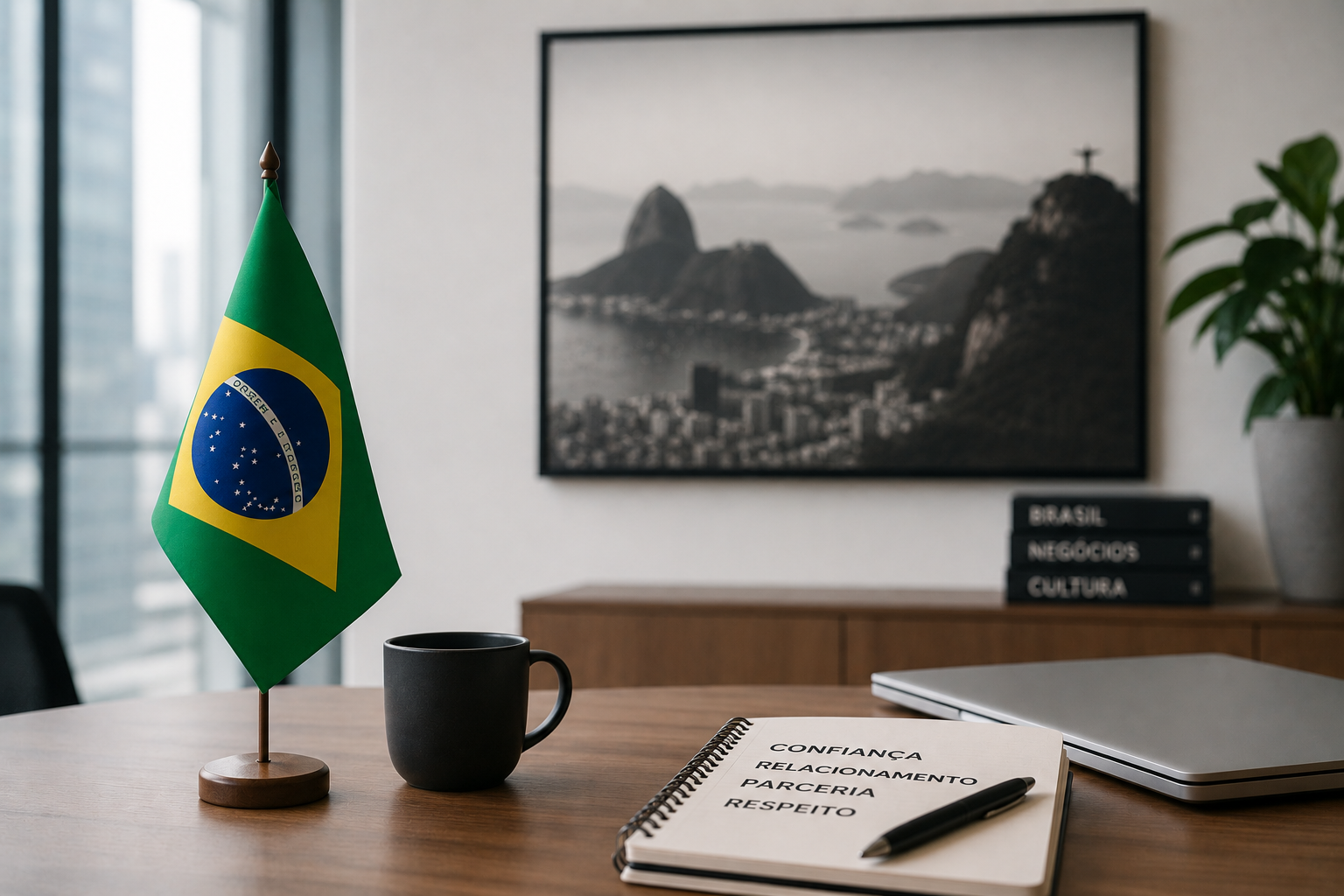
For foreign companies looking to do business in Brazil, understanding the local business culture is just as important as understanding the market or the country’s regulatory environment. While Brazil shares many similarities with European business practices, there are also clear cultural differences that can influence negotiations, decision-making and day-to-day collaboration.
A solid understanding of these cultural dynamics helps build trust and strengthens business relationships.
More Western and international than many expect
One of the most common misconceptions among foreign companies is that doing business in Brazil means to navigate a completely unfamiliar or highly isolated business culture. In reality, Brazil is a highly internationalised country with deep historical, cultural and economic ties to Europe.
European influence is strongly visible throughout Brazilian society and business culture, rooted in the immigration from countries such as Portugal, Germany, Italy and Poland. In many ways, Brazilian business culture feels more familiar to Southern European companies than many expect.
Brazil is also home to one of the largest and most sophisticated corporate environments in the Southern Hemisphere. São Paulo in particular functions as a major global business hub, hosting multinational corporations, financial institutions, industrial groups and technology companies operating at a highly professional and international level. Especially within larger corporations, financial institutions and internationally oriented sectors, business practices are often closely aligned with global standards. English is widely used, and many Brazilian executives have studied, worked or lived abroad, particularly in Europe and the United States.
Personal relationships matter
Although Brazil’s corporate environment is highly international and professional, business culture remains noticeably more relationship-driven than in many (Northern) European countries. While contracts, pricing and technical expertise are all important, trust and personal connection play a central role in how business relationships develop and long-term partnerships are formed.
Face-to-face meetings therefore are highly valuable, particularly during the early stages of a business relationship. Informal conversations, lunches, dinners and regular contact through platforms such as WhatsApp are considered a normal part of professional communication. Establishing a strong local network and maintaining consistent communication will significantly improve long-term collaboration.
This relationship-oriented approach should not be mistaken for a lack of professionalism. Many Brazilian companies operate at a highly professional level, but within a business culture where trust, accessibility and personal rapport remain important to successful partnerships.
Hierarchy and Decision-Making
Many Brazilian companies operate within hierarchical organisational structures, particularly in more traditional industries and family-owned businesses. Senior management and company owners play a central role in strategic decisions, meaning important approvals may ultimately come from higher levels within the organisation rather than middle management alone.
As a result, decision-making processes can sometimes take longer than foreign companies may expect. Meetings are often used to build alignment and trust before final commitments are made, while major decisions are typically evaluated carefully behind the scenes.
At the same time, this dynamic is gradually evolving in sectors such as technology, fintech and startups, where younger companies often operate with flatter organisational structures and faster decision-making processes. Understanding which type of company culture you are dealing with is therefore important when entering the Brazilian market.
Culture in practice
So, with these cultural dynamics in mind, how does a foreign company successfully navigate Brazil’s corporate environment in practice? Doing business in Brazil often requires a balance between flexibility, patience and local presence. Brazilian business culture can feel relatively informal and adaptable in day-to-day communication, while operating within a country known for its bureaucracy and administrative complexity.
It is no secret that time is approached somewhat more flexibly than in many Northern European countries. Meetings may occasionally start later than scheduled, deadlines can shift and negotiations sometimes take unexpected turns. On the other end, negotiations can suddenly move very quickly when the timeline matters. Maintaining flexibility and consistent follow-up generally produces far better results than approaching the market too rigidly.
Finally, local presence remains extremely valuable when building business operations in Brazil. Whether through a local partner, representative office or Brazilian team, companies with on-the-ground presence will find a much higher success rate. Even some basic communication in Portuguese and in-person interactions make a significant difference in building trust and maintaining successful long-term business relationships.
In conclusion
Brazil offers substantial opportunities for international companies, but success in the market requires more than understanding regulations and economic conditions alone. Cultural awareness, local relationships and understanding how business is conducted in practice play a major role in building strong long-term operations and partnerships.
For foreign companies, working with an experienced local partner significantly simplifies this process. From the moment of market entry and operational setup to personal communications and negotiations, local expertise helps businesses avoid unnecessary friction, build trust faster and establish a stronger position within the Brazilian market.